
Views: 0 Author: Site Editor Publish Time: 2026-09-30 Origin: Site


Global manufacturing heavily relies on the china graphene market for high-volume commercial scaling. Theoretical compound annual growth rates look promising on paper. However, procurement leaders face a different reality when moving from research and development to full-scale production. Finding reliable suppliers involves navigating complex supply chain implications rather than just looking at optimistic market forecasts. This matters because material inconsistencies can stall entire product lines and inflate project expenses. To succeed, engineering and procurement teams need a data-backed evaluation framework. You can use this framework to shortlist advanced carbon materials and identify credible suppliers within this concentrated market. You will learn how to distinguish between genuine industrial capacity and exaggerated vendor claims. We also explore evaluation criteria for key material formats. Finally, we establish practical vendor vetting strategies to secure your supply chain.
Market Trajectory: The China graphene market is shifting from fragmented R&D production to consolidated, industrial-scale manufacturing, heavily driven by government subsidies and thermal management demands.
Material Selection: Navigating the market requires strict distinction between low-grade graphene powders and highly engineered products like the Synthetic Thermal Graphite Sheet.
Application Focus: Thermal management in consumer electronics remains the dominant adoption driver, forcing manufacturers to evaluate specific formats like Graphite Felt in 3C Consumer Electronics.
Sourcing Strategy: Vendor selection must prioritize batch-to-batch consistency, verifiable purity data, and scalable production capacity over baseline pricing.
Many procurement teams struggle to assess true production capacity versus claimed capacity among top-tier Chinese manufacturers. Some suppliers advertise massive annual tonnages. However, these figures often blend low-quality carbon black mixtures into their high-performance graphene statistics. You must peel back these marketing numbers. True industrial capacity for high-grade single-layer or few-layer graphene remains highly concentrated. Only a select group of Tier-1 manufacturers possess the reactor technology to output consistent multi-ton batches. Relying on raw capacity claims without site audits often leads to severe supply chain bottlenecks.
Regulatory shifts continue transforming the landscape of advanced carbon manufacturing. Stringent environmental compliance rules act as a strict filter. Government agencies actively shut down smaller, inconsistent suppliers failing to meet ecological standards. This regulatory squeeze leaves a much more reliable, albeit concentrated, vendor pool. You now deal with larger entities capable of weathering strict emission limits. Consolidation benefits the end-buyer by establishing uniform quality baselines across the industry. Yet, it also reduces your leverage during price negotiations due to fewer viable competitors.
Analyzing current pricing thresholds reveals hard truths about commercial integration. Raw material yields directly dictate final procurement costs. High defect rates during the exfoliation process waste time and money. Buyers often fall into the trap of chasing the lowest per-kilogram price. Cheap materials usually require extensive post-processing to achieve the necessary dispersion or thermal traits. Consequently, cheap upfront pricing results in massive downstream manufacturing expenses. You should calculate the effective yield of usable material per batch. This metric provides a much clearer picture of your actual scaling costs.
Table 1: Manufacturer Capacity Claim vs. Reality Summary
Supplier Tier | Market Claim | Actual Scalable Reality | Primary Risk Factor |
|---|---|---|---|
Tier 1 (Top 5%) | Multi-ton pristine graphene | Consistent few-layer materials suitable for electronics | Premium pricing, rigid minimum order quantities |
Tier 2 (Mid-Market) | Equal quality to Tier 1 | High variability between separate production batches | Inconsistent thermal or electrical conductivity |
Tier 3 (Fragmented) | High-volume industrial output | Often repackaged low-grade graphite powders | Severe purity issues, environmental shutdown risks |
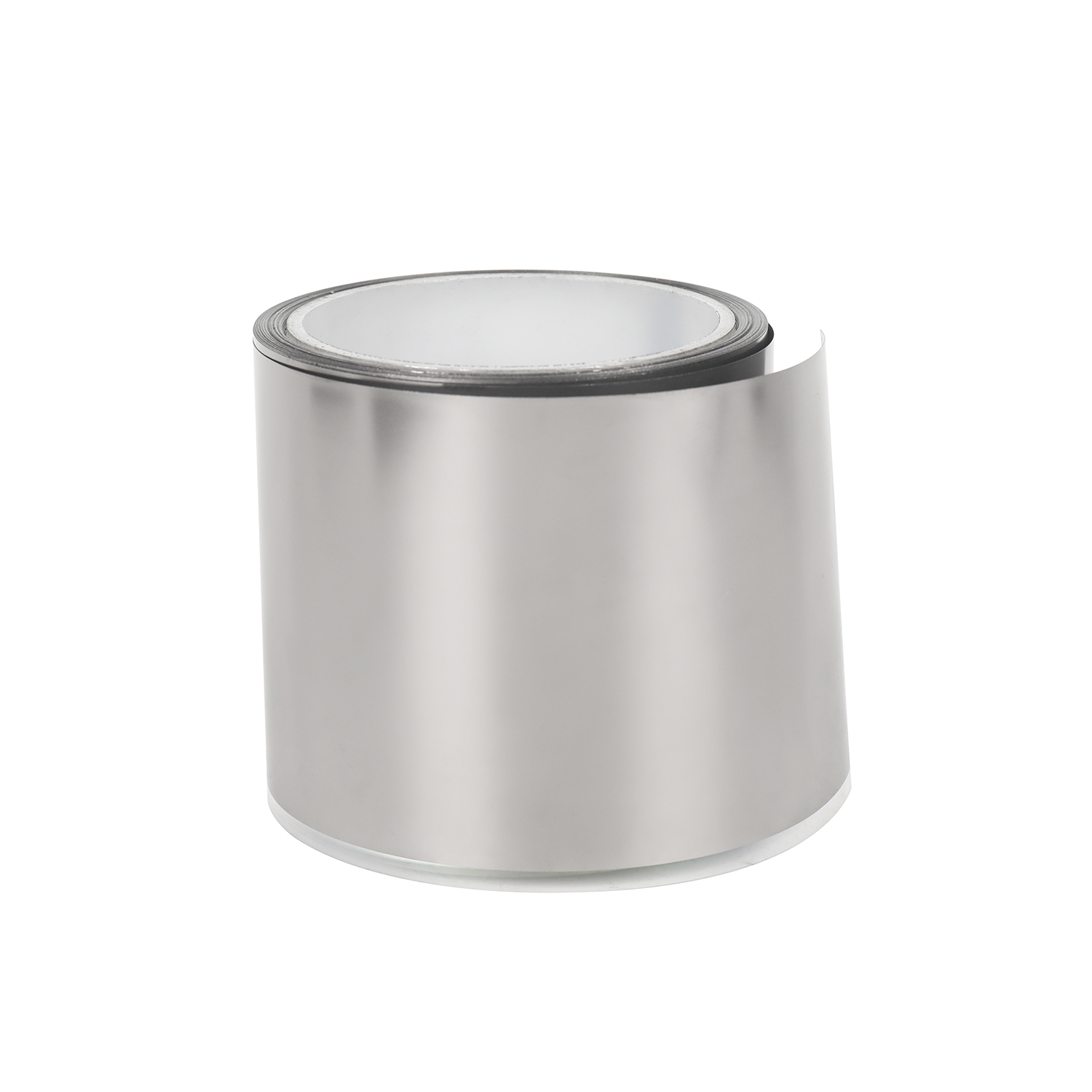
Business Problem: Modern engineering teams face massive challenges managing extreme heat dissipation. Tightly packed electronic architectures leave little room for traditional cooling solutions. Mobile processors and batteries generate concentrated heat spots. If left unmanaged, this heat degrades battery health and causes processor throttling. You need thin, lightweight materials capable of moving heat away from critical components rapidly.
Evaluation Criteria: You must assess structural integrity before finalizing any vendor contract. Evaluate the thermal conductivity metrics, specifically looking for performance exceeding 1500 W/m·K in the XY plane. Flexibility under manufacturing stress is another critical metric. The material must withstand repeated bending during final device assembly without fracturing or losing conductive efficiency.
Implementation Reality: Using a Synthetic Thermal Graphite Sheet offers superior uniformity compared to natural graphite alternatives. These synthetic variants eliminate the micro-voids and impurities commonly found in mined materials. However, they require stringent quality control during roll-to-roll processing. Delamination can occur if the adhesive layers fail under continuous manufacturing tension. You should request stress-test data specifically mimicking your assembly line conditions.
Business Problem: Heavy industries face distinct material sourcing hurdles. Sourcing durable, conductive materials remains essential for fuel cells, electrolysis units, and semiconductor manufacturing equipment. These applications expose materials to extreme chemical environments and intense electrical loads. Standard carbon plates degrade too quickly, forcing costly line stoppages for maintenance and replacement.
Evaluation Criteria: You should focus squarely on carbon purity percentages. Accept nothing less than 99.9% purity for sensitive semiconductor applications. Mechanical strength is equally vital. Evaluate the compressive strength and flexural strength data. Furthermore, resistance to chemical corrosion determines the operational lifespan in electrolysis environments. Request long-term oxidation resistance reports from independent labs.
Implementation Reality: Implementing a High-Purity Graphite Plate into your supply chain requires vigilance. Lower-tier suppliers often compromise on material density to save production time. Low density creates microscopic pathways for corrosive chemicals to penetrate the plate. This structural weakness leads to catastrophic failure under pressure. Physical stress testing and density verification are mandatory before moving to bulk procurement.
The Computer, Communication, and Consumer electronics (3C) sector faces unprecedented thermal hurdles. The growing heat output of 5G devices pushes legacy cooling systems past their limits. High-refresh-rate OLED displays consume massive power and generate localized heat zones. Fast-charging batteries require rapid thermal dissipation to prevent thermal runaway. Engineers can no longer rely on bulky copper heat pipes or thick aluminum plates. The market demands ultra-thin, highly efficient carbon-based solutions to keep devices safe and functional.
Material choices directly influence your brand reputation and bottom line. Integrating Graphite Felt in 3C Consumer Electronics directly impacts product lifespan. Efficient heat spreading reduces thermal stress on delicate silicon chips. This protection guarantees user safety by eliminating battery overheating risks. Better thermal management translates directly into tangible business outcomes. You will see a notable reduction in warranty claims and customer returns. Superior cooling ensures sustained device performance, keeping end-users satisfied.
Despite its benefits, felt integration presents specific engineering constraints. Integrating felt structures into ultra-thin device profiles requires precise calculations. Felt materials possess inherent compressibility. You must account for this compression during the design phase. Squeezing the felt too tightly destroys its porous conductive network, ruining its thermal properties. You must make necessary compromises in assembly line tooling. Calibration of pressure-application machines is vital. We recommend collaborating closely with your supplier to define exact compression tolerances before finalizing your blueprints.
Many buyers mistakenly believe pricing is the biggest hurdle in graphene procurement. In reality, maintaining structural uniformity across multi-ton orders poses the highest risk. A supplier might deliver a perfect ten-kilogram pilot sample. However, their next five-ton shipment could exhibit completely different thermal traits. Reactor temperature fluctuations and raw material blending cause these variations. Inconsistent materials force you to recalibrate your manufacturing machines constantly. You must audit a supplier's automated control systems. Choose partners who utilize continuous monitoring rather than manual batch-testing.
Exaggerated purity claims dominate the market. You must learn how to demand and interpret third-party material characterization reports. Do not accept internal lab results at face value. Use these primary methods to combat false claims:
Raman Spectroscopy: Look closely at the G-band to 2D-band ratio. This ratio confirms whether the material is true graphene or just bulk graphite.
Scanning Electron Microscopy (SEM): Use SEM imagery to verify flake size and structural morphology. Ensure the material lacks massive agglomerations.
X-Ray Diffraction (XRD): XRD data reveals the interlayer spacing. This proves the exfoliation process successfully separated the carbon layers.
Global procurement involves heavy regulatory navigation. Navigating geopolitical export controls requires dedicated legal review. Certain advanced carbon materials fall under dual-use export restrictions. You must ensure your supplier holds the correct export licenses. Environmental regulations also play a major role. ESG compliance is no longer optional for global brands. Verify your supplier adheres strictly to local wastewater and emission standards. Finally, securing dual-sourcing contingencies protects you. Never tie your entire production line to a single overseas factory. Always qualify a backup supplier.
Successful procurement starts with clearly defined internal goals. You must align specific material formats directly with your end-product requirements. Prioritizing thermal sheets makes sense for smartphones, tablets, and wearables. Conversely, high-purity plates fit heavy industry, energy storage, and semiconductor needs. Do not use generic specification sheets. Write down exactly what thermal conductivity, thickness, and tensile strength your product requires. Present these non-negotiable criteria to potential vendors immediately. This strategy quickly filters out incapable suppliers.
Testing material in a lab differs vastly from testing it on an assembly line. We highly recommend a structured pilot strategy. Follow these best practices for localized engineering samples:
Request die-cut samples matching your exact design file, rather than generic square sheets.
Structure pilot runs to mimic your actual manufacturing speed and pressure settings.
Validate thermal and electrical performance in real-world assemblies, fully enclosed in the final product casing.
Measure material behavior after simulated aging and thermal cycling tests.
Moving from a successful pilot to bulk ordering requires careful negotiation. You need to lock in pricing agreements that account for raw material fluctuations. Secure volume commitments with audited, top-tier Chinese suppliers to guarantee availability during peak seasons. Establish clear penalty clauses for batch failures. Define exactly what constitutes a "failed batch" using the Raman and XRD metrics discussed earlier. Building a transparent supply agreement protects your production schedule and stabilizes your unit economics.
Treating advanced graphite sourcing as a simple commodity purchase leads to inevitable production failures. The market demands a strategic engineering partnership between your design team and the material manufacturer. Success requires rigorous technical vetting and a highly skeptical, data-first approach to supplier claims. You must move past marketing brochures and dive deep into structural consistency and batch repeatability.
Actionable Next Steps:
Establish strict internal parameters for thermal conductivity and mechanical strength before contacting vendors.
Demand third-party Raman spectroscopy and SEM reports for every initial sample batch.
Audit supplier ESG compliance to ensure they face no immediate risk of government-mandated factory shutdowns.
Develop a dual-sourcing strategy to protect your assembly lines from sudden geopolitical or export control disruptions.
Consult with technical material specialists and request application-specific sample data sheets immediately.
A: Government-backed industrial initiatives provide massive scale-up funding. Furthermore, the explosive demand for thermal management solutions in EV batteries and 3C consumer electronics directly drives market expansion. Manufacturers need efficient heat dissipation materials to support faster processing speeds and denser battery capacities.
A: You must request independent thermal conductivity tests proving XY-plane performance. During pilot runs, physically inspect the samples for structural defects. Check for micro-tears, brittle edges, or adhesive delamination under standard manufacturing stress and bending conditions.
A: Buyers often overlook substantial import tariffs. Additionally, specialized shipping requirements are necessary to prevent mechanical damage during transit. You must also budget for mandatory third-party purity audits and independent lab testing to verify the 99.9% carbon density claims.
A: Yes, it is highly viable. However, success requires adapting your assembly process. The manufacturer must account for the specific compression rates and integration requirements of felt materials. Applying too much pressure destroys the porous thermal network, reducing cooling efficiency.


