


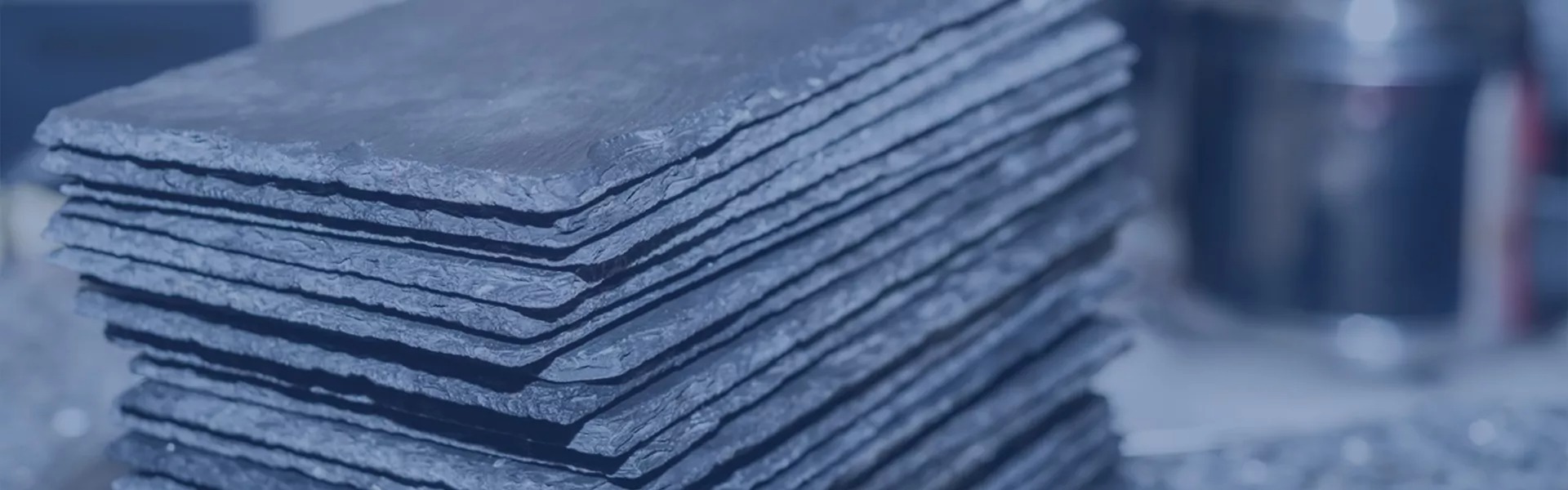
Harog Graphite Bipolar Plates: Small Component, Massive Power
Why Our Graphite Bipolar Plate Steals the Spotlight
What determines whether a fuel cell stack lasts 1,000 hours or 10,000 hours? In many cases, the answer lies in the quality of the bipolar plate. Our Graphite Bipolar Plate is engineered for high conductivity, exceptional corrosion resistance, and long-term structural stability in demanding hydrogen fuel cell environments. Manufactured from high-purity graphite materials with precise flow field machining or composite reinforcement options, it ensures efficient gas distribution, low contact resistance, and reliable sealing performance. Discover how the right graphite solution can elevate your fuel cell performance—and why material choice makes all the difference.
Product Center


Why Choose Us
Specialized Focus on Graphite Bipolar Plates
We concentrate on advanced carbon and graphite materials, with Graphite Bipolar Plate development as a core direction of our hydrogen energy strategy. This specialization allows us to continuously refine material formulation, structural design, and processing techniques, ensuring stable conductivity, low permeability, and long-term durability in demanding PEM fuel cell environments.
Strong R&D and Engineering Capability
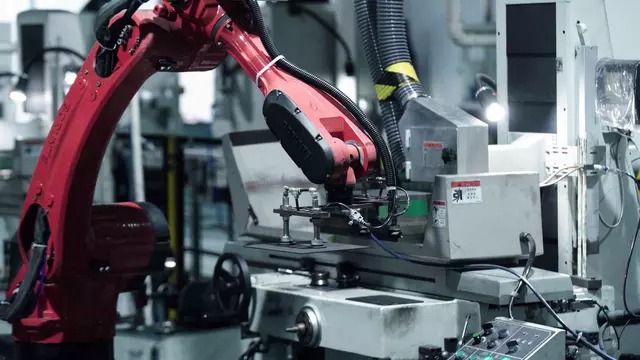
Backed by a dedicated technical team and independent development capabilities, we continuously optimize composite structures, flow field precision, and mechanical performance. Our engineering-driven approach enables us to provide customized graphite bipolar plate solutions tailored to stack architecture, power density targets, and specific application requirements.
Scalable Manufacturing with Quality Control
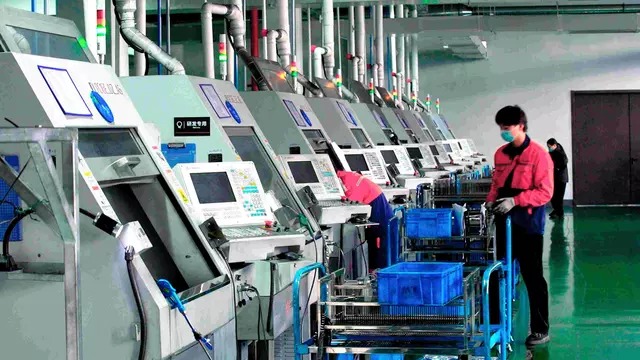
With modern production facilities and integrated manufacturing processes, we ensure consistent material properties and dimensional accuracy across every batch. From raw graphite processing to precision machining and composite molding, strict quality control supports reliable performance in automotive, stationary, and portable hydrogen systems.
Commitment to Hydrogen Energy Sustainability
Our graphite bipolar plates are designed not only for performance but also for long-term environmental responsibility. By leveraging durable graphite materials and recyclable composite structures, we support cleaner hydrogen technologies while helping customers reduce lifecycle costs and improve system sustainability.
Built to Last, Designed to Lead
Advanced Material Engineering for Long-Term Reliability
Built on our Composite Isostatic Graphite Bipolar Plate and Composite Flexible Graphite Bipolar Plate technologies , our solutions combine high-purity graphite with optimized composite structures to deliver exceptional corrosion resistance and electrochemical stability. Unlike metallic plates that depend on surface coatings, our graphite-based design inherently resists oxidation in acidic PEM environments, minimizing degradation risks over long operating cycles.
Structural Versatility with Sustainable Lifecycle Value
Our product portfolio includes both high-density isostatic graphite plates for maximum mechanical strength and lightweight composite flexible graphite plates for mobility-focused applications . This dual-technology approach allows customers to optimize stack weight, durability, and cost based on specific application demands. In addition, the composite thermoplastic-based structure supports material recovery and reprocessing, contributing to recyclability and reduced environmental impact.
Technical Specifications
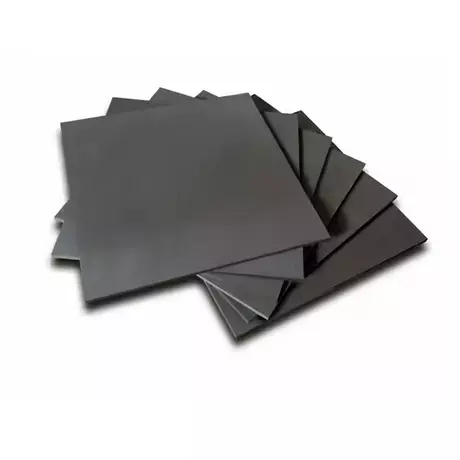
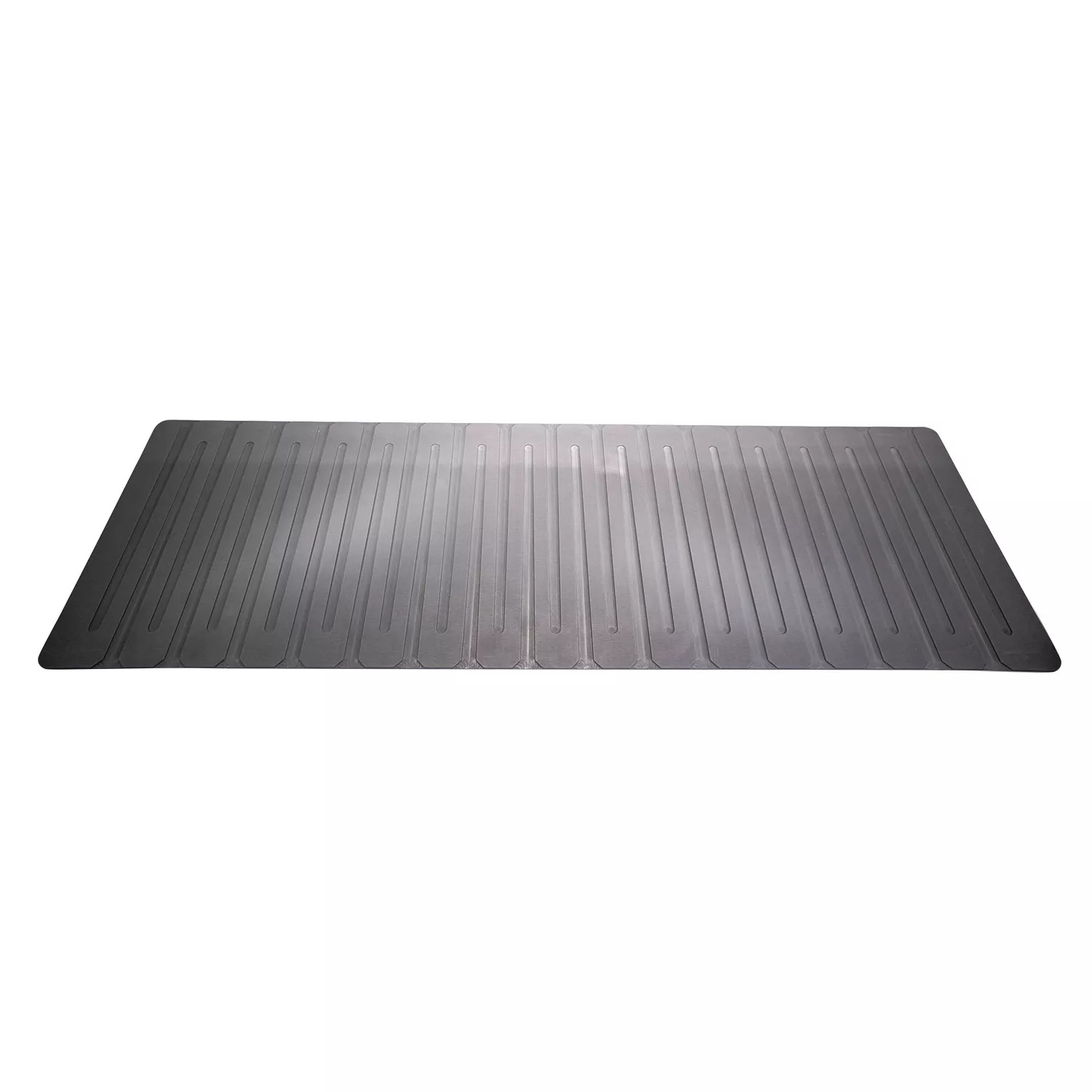
Flexible Graphite Bipolar Plate
Designed for lightweight and adaptable PEM fuel cell stacks, combining expanded graphite with reinforced composite structure.
Density: ~1.6–1.8 g/cm³
Electrical Conductivity: High in-plane conductivity with low contact resistance
Thickness Range: 0.8–2.0 mm (customizable)
Key Advantage: Flexible structure improves sealing performance and stack adaptability
Isostatic Graphite Bipolar Plates
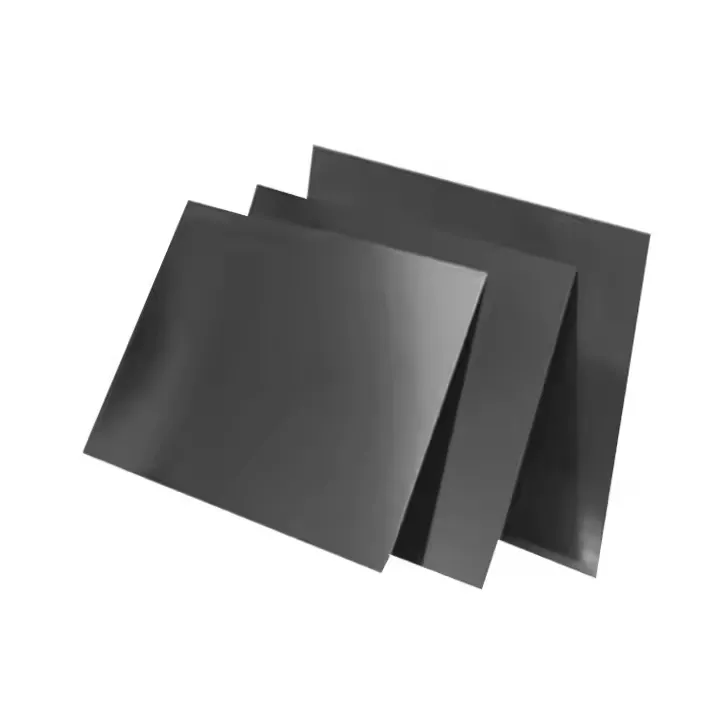
Manufactured from high-density isostatic pressed graphite and precision CNC-machined for high-performance fuel cell systems.
Density: ~1.8–1.9 g/cm³
Compressive Strength: High, suitable for strong stack clamping forces
Electrical Conductivity: Excellent bulk conductivity
Key Advantage: Superior structural stability for long-life applications
Carbon-Plastic Graphite Bipolar Plates
Carbon-filled thermoplastic composite plate designed for scalable and lightweight fuel cell production. Density: ~1.5–1.8 g/cm³
Manufacturing Method: Compression or injection molding
Electrical Conductivity: Stable and suitable for PEM requirements
Key Advantage: Lightweight structure with recyclable composite material
Contact Us
Where Our Graphite Bipolar Plates Get to Work
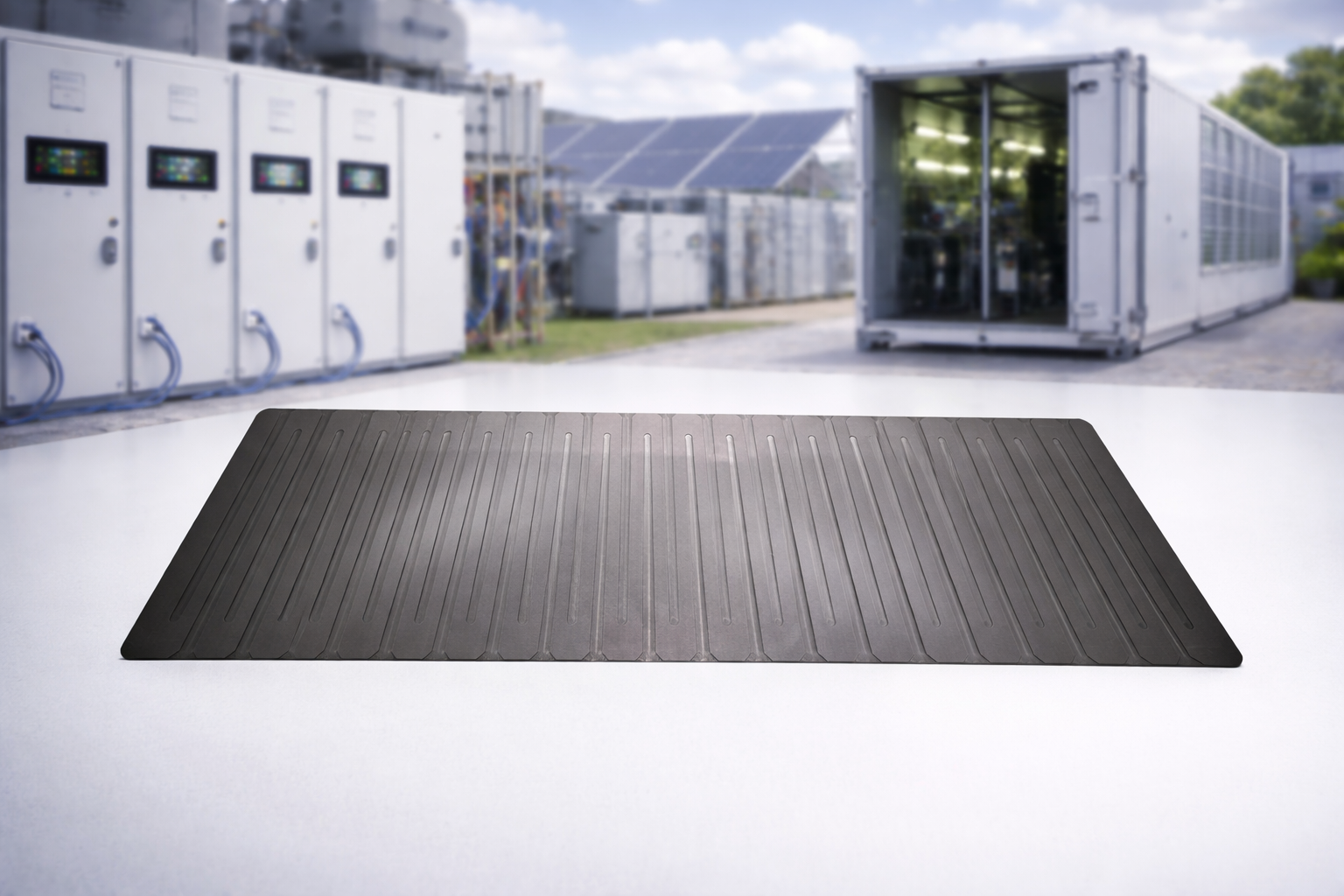
Hydrogen Fuel Cell Vehicles
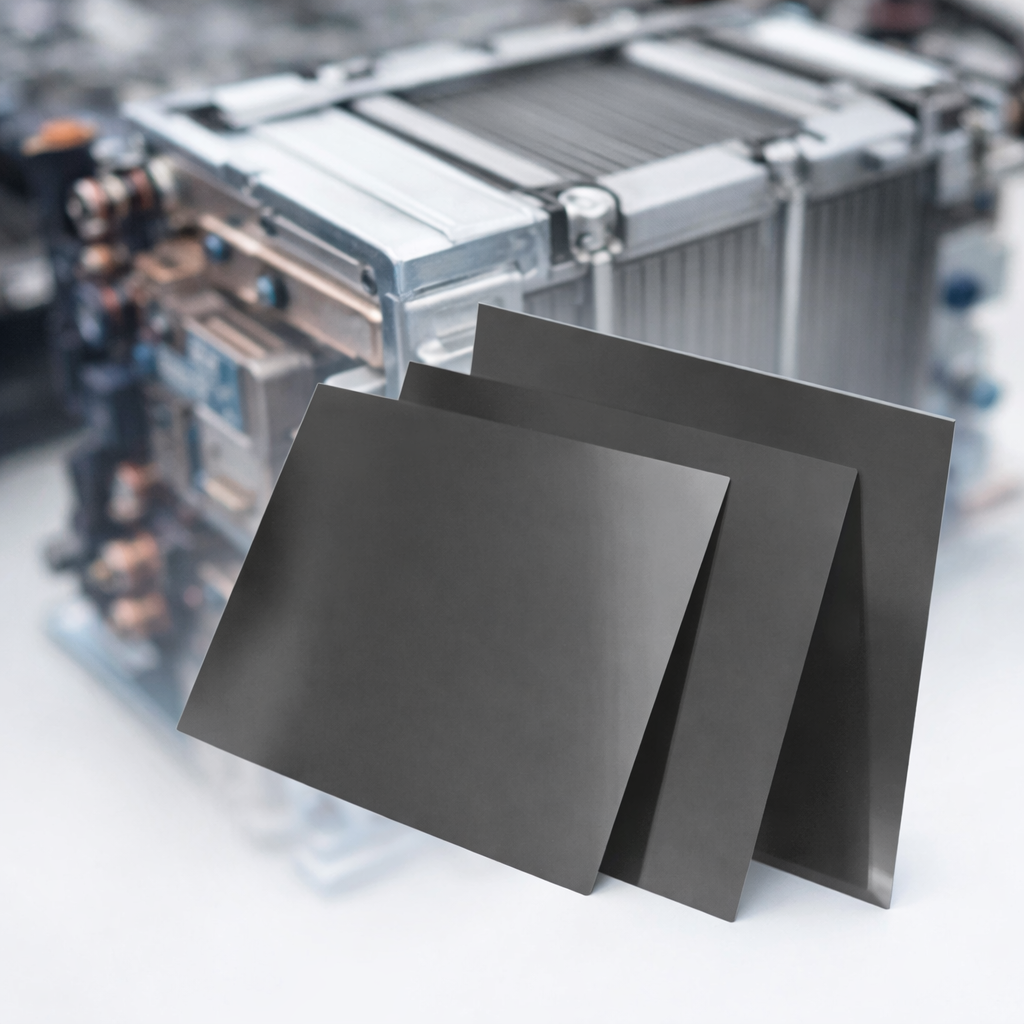
In automotive fuel cell stacks, reliability under vibration, temperature variation, and long operating hours is critical. Our graphite bipolar plates provide stable electrical conductivity and strong corrosion resistance, helping maintain consistent power output over extended driving cycles. High-density isostatic graphite options are particularly suited for vehicle stacks that require structural rigidity and long service life under continuous compression.
Stationary Power Generation Systems
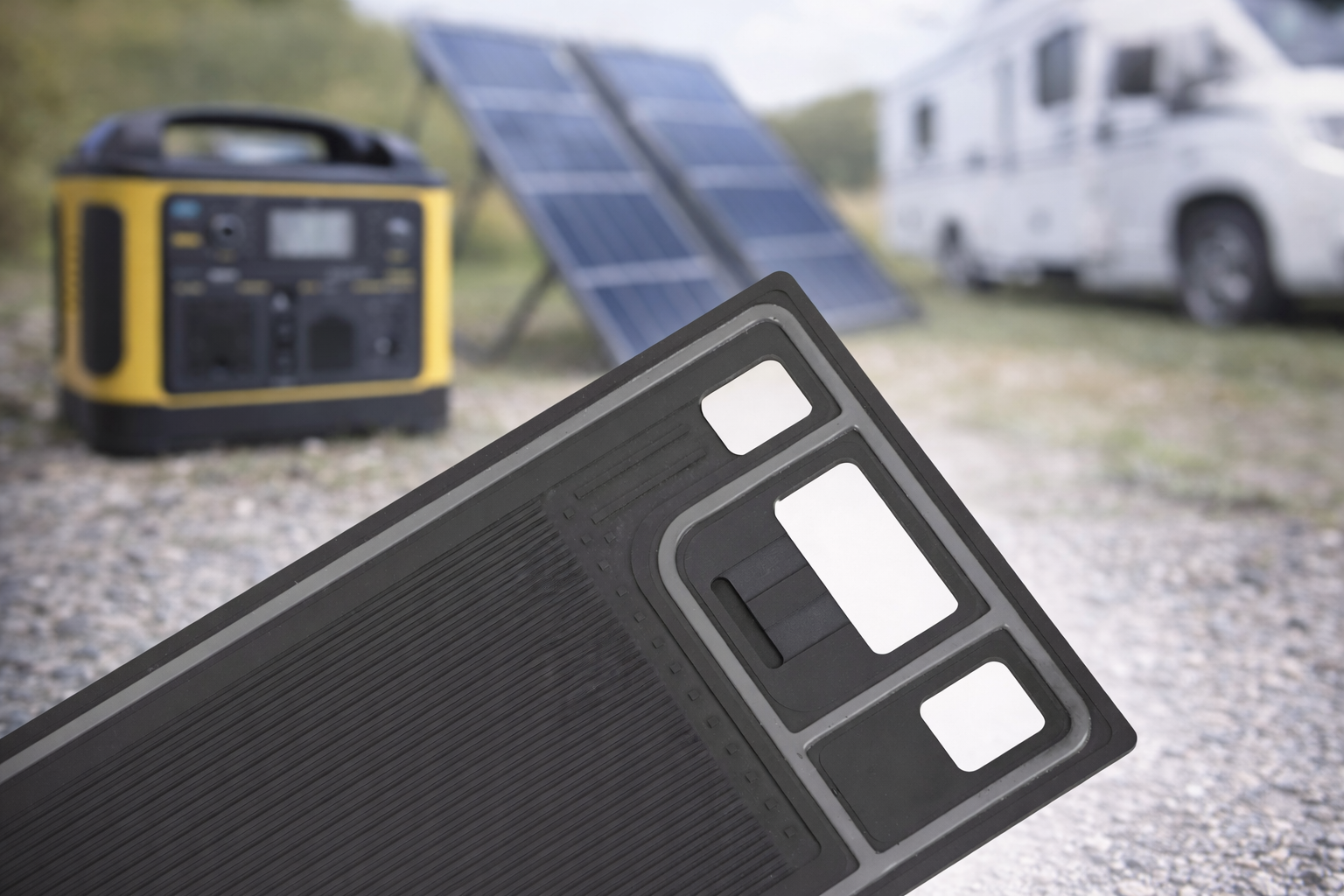
For distributed and stationary hydrogen power units, durability and efficiency over thousands of operating hours are key performance indicators. Our graphite bipolar plates ensure uniform gas distribution and effective heat management within the stack, supporting steady electricity generation for backup power, microgrids, and commercial energy systems. Their resistance to chemical degradation contributes to reduced maintenance frequency and long-term operational stability.
Portable & Lightweight Energy Solutions
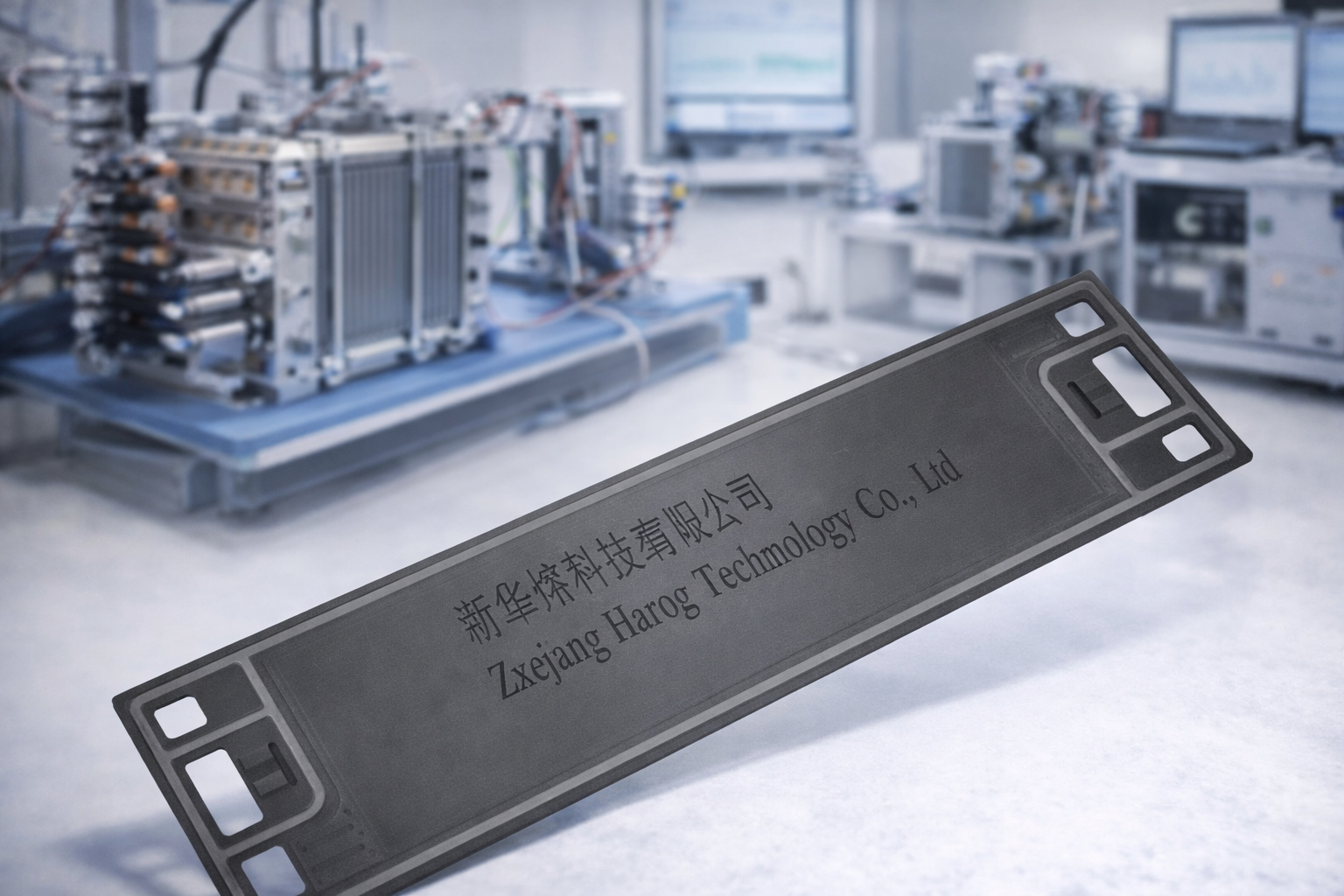
In compact hydrogen systems such as portable generators and mobile power modules, weight and adaptability become major design considerations. Our flexible and carbon-plastic graphite bipolar plates enable lighter stack configurations while maintaining reliable conductivity and sealing performance. This makes them ideal for applications where mobility, compact design, and efficient energy conversion must be balanced.
Research & Stack Development Platforms
Fuel cell laboratories and R&D institutions require materials that offer repeatable performance and machining precision for flow field experimentation. Our graphite bipolar plates support customized channel designs and consistent material properties, allowing engineers to test new stack architectures and optimize electrochemical efficiency. This flexibility makes them well-suited for prototype development and performance validation projects.
Contact Us
Looking for a reliable graphite bipolar plate partner for your hydrogen fuel cell project? Contact our team today to discuss your technical requirements and receive a customized solution tailored to your application.
FAQs
Related Blogs
-
 High-purity graphite hot zones are essential for growing flawless silicon ingots. Using isostatically pressed components prevents contamination and maximizes vacuum furnace yields.Blogs
 -
 Prevent costly failures. Compare isostatic vs. extruded graphite to choose the ideal material for your high-stress industrial applications.Blogs
 -
 Navigate China's graphene market with a data-backed framework for sourcing reliable suppliers and scaling thermal materials.Blogs
 -
 Calculate true graphite crucible capacity by metal density and furnace type. Learn exact sizing to prevent damage, inefficiency, and contamination.Blogs
Keep In Touch With Us
Stay connected with us to explore the latest developments in Graphite Bipolar Plate technology and hydrogen fuel cell innovation. Whether you need technical consultation, customized solutions, or industry updates, our team is ready to support your next project with reliable expertise and responsive service.
Mob:+86-15613141041
E-mail:filo.li@harog.net
