
Views: 0 Author: Site Editor Publish Time: 2026-01-09 Origin: Site


Fuel Cell Graphite Bipolar Plates are a game-changer in fuel cell technology. They play a crucial role in enhancing the efficiency and durability of fuel cells. These plates are responsible for critical functions like electron conduction, gas management, and structural support.
In this article, we’ll explore the core benefits of high-conductivity graphite bipolar plates. You’ll learn how these plates significantly improve fuel cell performance and contribute to the advancement of applications such as hydrogen fuel cells and backup power systems.
Fuel Cell Graphite Bipolar Plates are key components in fuel cells that serve multiple critical functions. These plates enable the conduction of electrons, separate the fuel cell's anode and cathode compartments, and facilitate the management of reactant gases. The plates contribute to the efficient operation of fuel cells by providing structural integrity and enhancing the overall power density of the fuel cell stack.
Graphite bipolar plates are made from a variety of high-quality materials. These materials are selected for their unique properties, which help optimize the performance and durability of fuel cells. Below are the key types of materials used:
● Natural Graphite: Mined from natural sources, providing good conductivity but may require additional treatment for improved durability.
● Synthetic Graphite: Produced through industrial processes, offering higher purity, better mechanical strength, and improved resistance to wear.
● Expanded Graphite: Treated to create a flexible, expanded structure, often used in composite plates for a balance of flexibility and conductivity.
● Graphite-Polymer Composites: Combining graphite with polymers to enhance mechanical strength and manufacturability, enabling thinner and more efficient designs.
Graphite bipolar plates provide clear advantages over metal plates in several key areas. Metals are generally conductive but suffer from corrosion in the harsh conditions of fuel cells. Graphite, in contrast, offers superior resistance to corrosion, which reduces the need for additional coatings or frequent maintenance. Additionally, graphite’s lightweight nature contributes to more efficient and compact fuel cell designs.
Below is a comparison of these two materials based on essential properties:
Property | Graphite Plates | Metal Plates |
Corrosion Resistance | Highly resistant | Susceptible to corrosion |
Weight | Lighter | Heavier |
Maintenance | Minimal | Requires frequent maintenance |
Conductivity | Comparable | Comparable |
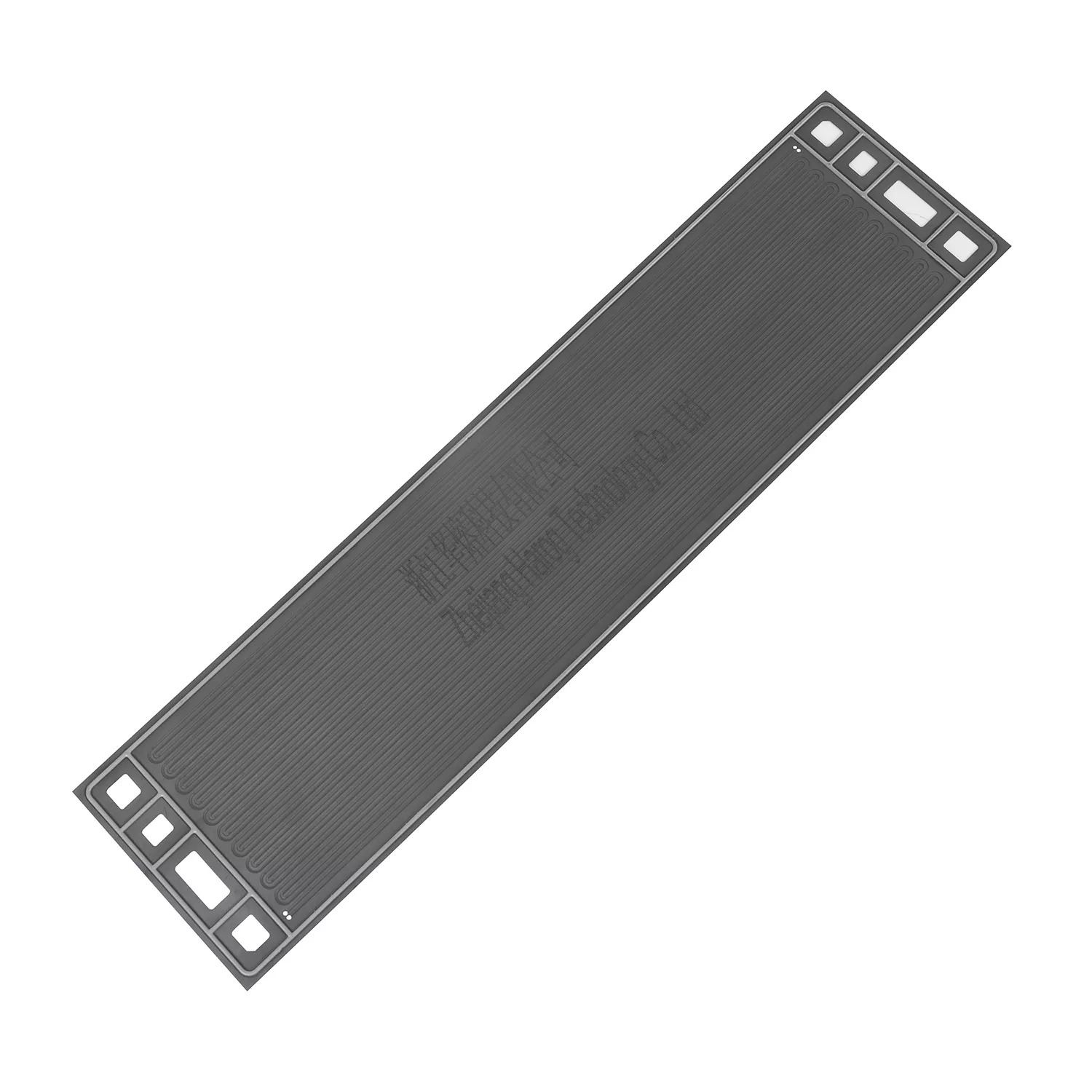
High-conductivity graphite bipolar plates are essential for improving the efficiency of fuel cells. These plates serve as the primary path for electron flow between the anode and cathode, and their electrical conductivity directly influences the overall power output of the fuel cell. The more conductive the plates, the less resistance there is in the system, allowing for smoother electron flow and reducing energy losses.
Property | High-Conductivity Graphite Plates | Low-Conductivity Plates |
Electron Flow | Smooth and efficient | Restricted and inefficient |
Energy Loss | Minimal | Higher |
Resistance | Low | High |
Power Output | Maximized | Reduced |
The electrical conductivity of graphite bipolar plates has a direct correlation with the power density of fuel cells. High-conductivity plates help maximize the amount of power produced by the fuel cell while minimizing energy waste. This is crucial for applications like hydrogen fuel cell vehicles or stationary fuel cell stacks, where energy efficiency is paramount.
Reducing Area-Specific Resistance (ASR) is vital for achieving better performance. Lower ASR values contribute to more efficient fuel cells and increased power density. By using high-conductivity graphite, fuel cell manufacturers can reduce ASR, leading to better overall performance and a longer lifespan for the fuel cell stack.
Efficient heat management is crucial for the performance of fuel cells. High-conductivity graphite bipolar plates play a significant role in dissipating heat generated during the electrochemical reaction. By efficiently managing heat within the fuel cell, these plates help maintain optimal operating temperatures, ensuring that the fuel cell operates at its best.
Overheating can lead to reduced performance, shorter lifespan, and even failure of fuel cells. High-conductivity graphite plates effectively prevent overheating by transferring heat away from critical components, thereby improving the safety and efficiency of the fuel cell system.
One of the remarkable properties of graphite is its ability to maintain excellent thermal conductivity even at high temperatures. This makes high-conductivity graphite bipolar plates ideal for high-temperature fuel cells, such as those used in heavy-duty truck power systems or maritime propulsion systems. Graphite’s high-temperature stability ensures that fuel cells can operate reliably in demanding conditions without performance degradation.
Property | High-Temperature Graphite Plates | Conventional Materials |
Thermal Conductivity | Maintains excellent conductivity | Decreases at high temps |
Stability | Remains stable at high temps | May degrade or fail |
Applications | Heavy-duty trucks, maritime | Limited high-temp use |
Fuel cells operate in harsh environments that expose components to oxidizing and reducing conditions. Corrosion is a significant challenge in maintaining fuel cell performance and longevity. Graphite bipolar plates outperform metal plates in this regard, as they are naturally resistant to corrosion. This characteristic reduces the need for additional protective coatings and ensures that the plates maintain their integrity throughout the fuel cell's operational life.
The superior corrosion resistance of graphite bipolar plates translates to reduced maintenance needs and lower overall operational costs. With less wear and tear over time, these plates ensure that fuel cells remain reliable, even in high-stress applications like material handling equipment or backup power generators.
Here are the key corrosion-resistant benefits of graphite bipolar plates:
● Resistant to Acidic and Oxidizing Environments: Graphite naturally resists a wide range of corrosive conditions.
● No Need for Additional Coatings: Unlike metals, graphite does not require expensive corrosion-protective coatings.
● Extended Lifespan: The stability of graphite ensures that the fuel cell maintains its high efficiency over time.
Graphite bipolar plates provide structural support to the Membrane Electrode Assembly (MEA), maintaining the fuel cell stack's integrity and ensuring the electrochemical reactions occur efficiently. This support is critical for ensuring that the fuel cell operates without mechanical failure or performance degradation.
In addition to providing mechanical support, graphite bipolar plates help reduce the weight and volume of fuel cell systems. The lightweight nature of graphite allows for more compact fuel cell designs, which is particularly beneficial for applications like hydrogen fuel cell vehicles, where space and weight constraints are critical factors.
The use of high-conductivity graphite plates offers significant design flexibility, which can lead to cost reductions. For example, advanced manufacturing techniques, such as welding, can be employed to eliminate seals and simplify assembly, lowering production costs. This flexibility is valuable in large-scale applications like stationary fuel cell stacks and backup power generators, where cost efficiency is essential.
Aspect | High-Conductivity Graphite Plates | Traditional Materials |
Manufacturing Flexibility | High (e.g., welding) | Limited (more complex) |
Assembly Complexity | Simplified (fewer seals) | More components required |
Cost Efficiency | Significant reduction | Higher due to complexity |
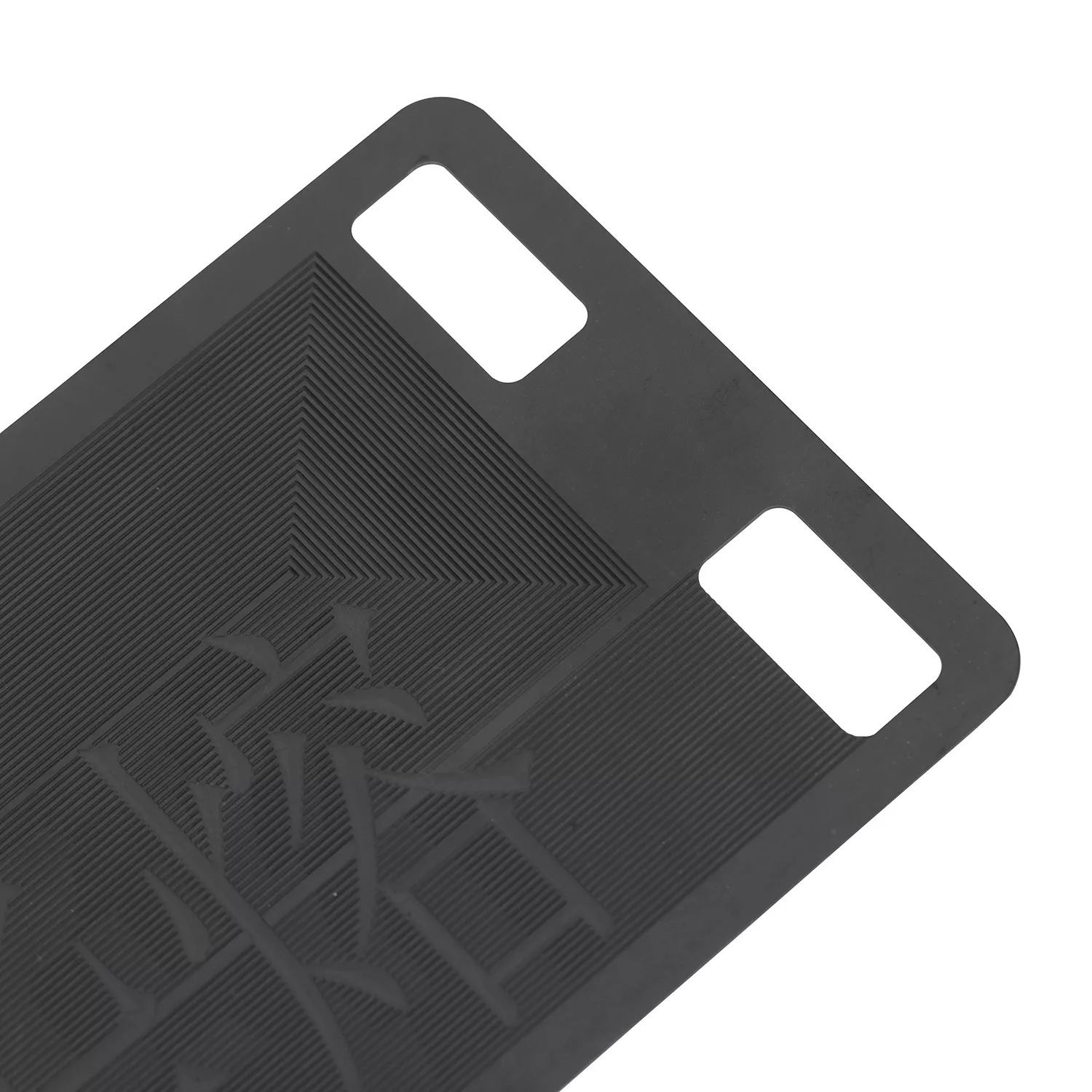
High-conductivity graphite bipolar plates can be customized for different types of fuel cells, including Proton Exchange Membrane Fuel Cells (PEMFCs) and High-Temperature PEMFCs (HT-PEMFCs). This versatility allows for the tailoring of the plates to meet the specific requirements of different fuel cell applications, such as heavy-duty truck power systems or backup power generators.
Graphite bipolar plates also have applications beyond power generation, such as hydrogen production via water electrolysis and electrochemical sensors. In these applications, graphite plates serve as electrodes, facilitating the electrochemical reactions required for hydrogen generation or chemical detection. Their excellent conductivity and corrosion resistance make them an ideal material for these purposes, contributing to the advancement of clean energy technologies.
High-conductivity fuel cell graphite bipolar plates are transforming fuel cell technology. They enhance both electrical and thermal conductivity while offering superior corrosion resistance. This makes them essential for improving fuel cell performance and longevity. Their versatility allows use in diverse applications like backup power generators and heavy-duty truck power systems.
Zhejiang Harog Technology Co., Ltd. offers innovative graphite bipolar plates that provide significant value. Their products contribute to the development of sustainable energy solutions and are crucial for advancing clean energy applications.
A: Fuel Cell Graphite Bipolar Plates are key components in fuel cells. They facilitate electron conduction, gas management, and structural support, enhancing fuel cell performance and efficiency.
A: High-conductivity graphite bipolar plates enhance power density by reducing resistance. They also improve heat dissipation, preventing overheating and enhancing the longevity of the fuel cell stack.
A: High-conductivity graphite in hydrogen fuel cell bipolar plates offers superior electrical and thermal conductivity, corrosion resistance, and structural integrity, making them ideal for reliable and efficient fuel cells.
A: Graphite bipolar plates offer better corrosion resistance and are lighter, which improves fuel cell efficiency and longevity. Metal plates, in contrast, are prone to corrosion and require coatings.
A: High-conductivity graphite bipolar plates are used in various applications, including heavy-duty truck power systems, material handling equipment, maritime propulsion systems, and stationary fuel cell stacks.
A: Corrosion-resistant graphite plates prevent degradation in harsh environments, reducing maintenance needs and ensuring long-term stability, which increases the fuel cell’s operational lifespan.


