
Views: 0 Author: Site Editor Publish Time: 2026-01-13 Origin: Site


Fuel cell technology is revolutionizing modern energy systems, providing clean, efficient, and sustainable power. A key component in this shift is Fuel Cell Graphite Bipolar Plates, which are essential for enhancing fuel cell performance. These plates offer remarkable conductivity, durability, and versatility, supporting applications from vehicles to energy storage systems.
In this article, we will explore how Fuel Cell Graphite Bipolar Plates are transforming industries by improving energy systems. You will learn about their role in transportation, stationary power, and renewable energy, showcasing their impact on the future of clean energy solutions.
Fuel Cell Graphite Bipolar Plates are a crucial element in proton exchange membrane (PEM) fuel cells, solid oxide fuel cells (SOFCs), and redox flow batteries. These plates act as the medium that separates the anode and cathode, enabling electrical conduction between cells, while simultaneously facilitating gas distribution, water management, and heat dissipation. Made from high-conductivity graphite, these plates are known for their superior corrosion resistance and light weight, which are essential for maintaining high performance over time in demanding energy applications.
The primary function of Fuel Cell Graphite Bipolar Plates is to manage the gas flow and electrical conduction within the fuel cell stack. These plates distribute hydrogen and oxygen to the electrochemical membrane, ensuring optimal fuel cell operation. Additionally, they manage heat dissipation and water removal, which are vital for maintaining the stability and efficiency of fuel cells. Their design and material properties are crucial in extending the longevity of the fuel cell while maximizing its energy output.
Function | Description |
Gas Distribution | Distributes hydrogen and oxygen to the membrane |
Electrical Conduction | Ensures optimal electrical conduction within the fuel cell stack |
Heat Management | Dissipates heat to maintain stable operation |
Water Removal | Removes water produced during electrochemical reaction |
Longevity & Efficiency | Helps extend the fuel cell's lifespan and maximize energy output |
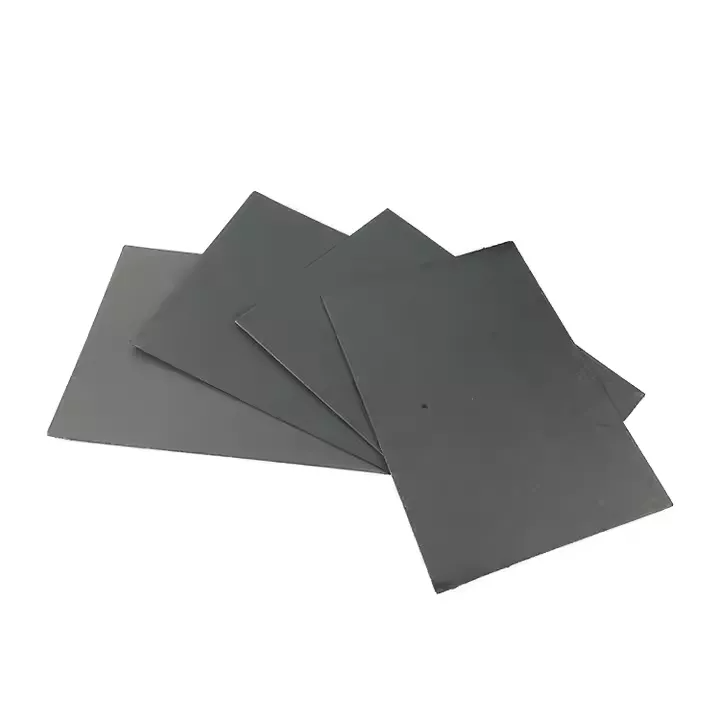
In stationary power systems, Fuel Cell Graphite Bipolar Plates are used for generating reliable and sustainable electricity, especially in remote areas where traditional power grids are not accessible. Their integration into fuel cells ensures a stable, long-term power supply, ideal for providing backup power in critical infrastructure like hospitals, data centers, and military bases. These systems offer a clean, efficient alternative to diesel generators, reducing both operating costs and carbon emissions.
For instance, Fuel Cell Graphite Bipolar Plates are used in stationary backup power generators, offering an eco-friendly solution to power outages. Their high efficiency and durability make them ideal for applications requiring 24/7 reliability.
As renewable energy continues to grow, Fuel Cell Graphite Bipolar Plates are playing an increasingly important role in energy storage and grid stabilization. These plates help achieve large-scale energy storage, especially in wind and solar power generation. Key applications include:
● Grid stability enhancement: By releasing stored energy as needed to the grid, they help balance supply and demand.
● Load-shifting functionality: Storing excess energy from renewable sources when production is high, and releasing it when supply is low to ensure grid stability.
● Addressing intermittent power generation: Effectively solving issues related to the intermittent and variable nature of wind and solar power generation, improving grid reliability.
In Combined Heat and Power (CHP) systems, fuel cells powered by Fuel Cell Graphite Bipolar Plates provide both electricity and heat for residential, commercial, and industrial sectors. These systems are efficient and cost-effective, offering a clean alternative to traditional heating systems, especially in areas where both electricity and heating are required.
Graphite plates are a preferred material in CHP systems due to their excellent thermal conductivity, which helps dissipate heat efficiently, optimizing the performance of the fuel cell.
Application | Function |
Decentralized Power Generation | Generates reliable and sustainable electricity, especially for remote areas. |
Renewable Energy Storage & Grid Stabilization | Enhances grid stability, stores energy, and addresses intermittent generation. |
Combined Heat and Power (CHP) Systems | Provides both electricity and heat, offering a clean alternative to traditional systems. |
Fuel Cell Graphite Bipolar Plates in heavy-duty vehicles, particularly in public transportation and logistics, showcase their superior performance. They provide ideal support for hydrogen fuel cells, ensuring their efficiency and stability during long-term operation. Their main advantages include:
● Long-term stability: Suitable for extended use, able to handle high loads under harsh conditions.
● Lightweight: Compared to traditional diesel engines, hydrogen fuel cell systems significantly reduce vehicle weight, improving energy efficiency.
● Efficient power supply: By providing stable conductivity and heat management, they ensure fuel cells operate efficiently in various environments.
● Reduced emissions: Fuel cell vehicles only emit water vapor, contributing to lower greenhouse gas emissions and meeting global environmental standards.
Lightweight systems, such as Unmanned Aerial Vehicles (UAVs) and hybrid vehicles, require energy sources that are not only efficient but also lightweight. Fuel Cell Graphite Bipolar Plates meet this demand by reducing the overall weight of the fuel cell stack, while providing high power density.
In UAVs, Fuel Cell Graphite Bipolar Plates enable longer flight times by reducing weight and enhancing the efficiency of the fuel cells. This is crucial for applications like surveillance, remote sensing, and cargo delivery, where extended operational range is key.
Graphite bipolar plates are also used in aerospace applications, where their high strength-to-weight ratio and excellent chemical stability make them ideal for spacecraft and satellite systems. In the extreme conditions of space, where reliability and durability are paramount, Fuel Cell Graphite Bipolar Plates provide the necessary performance to power spacecraft, reducing the need for frequent maintenance or replacement.
In addition to transportation and aerospace, Fuel Cell Graphite Bipolar Plates are widely used in industrial applications, such as material handling equipment and maritime propulsion systems. These plates are used in fuel cells that power forklifts, industrial machinery, and even ships, offering a sustainable alternative to traditional fuel sources.
The long-term stability and cost-effectiveness of graphite plates make them ideal for heavy-duty industrial environments, where reliability is critical.
Application | Role and Benefits |
Aerospace | High strength-to-weight ratio and chemical stability. |
Specialized Industrial Applications | Sustainable alternative to traditional fuels. |
Fuel Cell Graphite Bipolar Plates play a significant role in advancing fuel cell research. Their performance in existing systems provides valuable data that helps engineers develop next-generation fuel cell technologies. Researchers are continuously exploring ways to enhance the efficiency, durability, and cost-effectiveness of these plates, driving innovation in the field of clean energy.
As part of ongoing R&D, graphite plates are being tested for use in new fuel cell types and configurations, with the aim of improving their performance in a variety of applications.
In addition to their role in fuel cells, Fuel Cell Graphite Bipolar Plates are also used in electrochemical sensors and water electrolysis, particularly in green hydrogen production. Their conductivity and corrosion resistance make them ideal for use in high-performance electrochemical systems. Their main applications include:
● Electrochemical sensors: Used to monitor the reaction of various gases and liquids, ensuring safe and efficient operation.
● Water electrolysis equipment: Producing hydrogen and oxygen through electrolysis of water, driving the green energy revolution.
● Improving hydrogen production efficiency: Enhancing the conductivity of the electrolysis reaction to optimize hydrogen production.
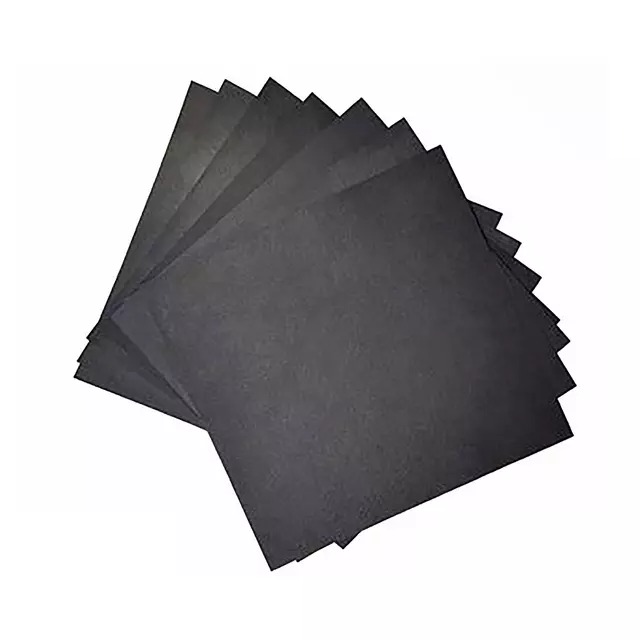
Fuel cells, powered by Fuel Cell Graphite Bipolar Plates, provide significant environmental benefits by reducing fossil fuel reliance and cutting carbon emissions. Using hydrogen as a fuel source produces only water vapor, making it one of the cleanest energy solutions available. Additionally, integrating Fuel Cell Graphite Bipolar Plates into renewable energy systems like solar and wind helps reduce grid dependency, promoting a low-carbon economy.
Environmental Benefit | Detail |
Reduction in Fossil Fuel Use | Fuel cells reduce dependency on fossil fuels, offering a cleaner alternative. |
Decreased Carbon Emissions | Hydrogen fuel cells emit only water vapor, reducing harmful emissions. |
Clean Energy Byproduct | Water vapor is the only byproduct when using hydrogen, making it environmentally friendly. |
Support for Renewable Energy Integration | Integration with renewable sources like solar and wind helps reduce grid dependency. |
Sustainable manufacturing practices for Fuel Cell Graphite Bipolar Plates are becoming increasingly important as the demand for clean energy technologies grows. Innovations in material sourcing, production techniques, and recycling processes are helping to reduce the environmental footprint of graphite-based plates.
By utilizing eco-friendly production methods and high-purity specialty graphite, manufacturers are ensuring that these plates remain a sustainable choice for powering the future of clean energy systems.
Fuel Cell Graphite Bipolar Plates are essential for clean, efficient, and reliable energy across various sectors. They enable advancements in transportation, aerospace, and renewable energy storage. As demand for sustainable energy rises, these plates will remain key to the global shift to a low-carbon future. Companies like Zhejiang Harog Technology Co., Ltd. provide high-quality graphite bipolar plates, offering unique advantages in durability and performance. Their innovative products support the growing clean energy market, driving cost-effective and efficient solutions for industries worldwide.
A: Fuel Cell Graphite Bipolar Plates are essential components in fuel cells, enabling gas distribution, electrical conduction, and heat management. They ensure efficient fuel cell operation, especially in PEM fuel cell graphite plates and hydrogen fuel cell bipolar plates.
A: Fuel Cell Graphite Bipolar Plates enhance fuel cell performance by increasing conductivity, durability, and heat management. They are used in various systems like heavy-duty truck power systems and stationary fuel cell stacks for more efficient energy generation.
A: Corrosion-resistant graphite plates are preferred due to their ability to withstand harsh environments, high conductivity, and long-term stability, making them ideal for demanding applications like material handling equipment and maritime propulsion systems.
A: Fuel Cell Graphite Bipolar Plates are widely used in clean energy solutions, including backup power generators, heavy-duty trucks, and stationary fuel cell stacks, supporting a wide range of transportation and renewable energy systems.
A: While high-conductivity graphite bipolar plates can be more expensive upfront, their durability and efficiency lead to lower long-term operational costs, especially in hydrogen fuel cell systems and renewable energy storage applications.
A: Fuel Cell Graphite Bipolar Plates offer superior corrosion resistance, better heat management, and are more lightweight compared to metallic plates, making them ideal for high-performance applications like stationary power and heavy-duty vehicles.


